Mosquito Bites – Prevention and Treatment
Find out how to treat the bite as well as what you can do to reduce the number of biting incidences and the risk of mosquito-borne diseases for you and your family. Start by devising an effective DIY mosquito control program which incorporates a proven trapping system to reduce mosquito numbers, personal protection in the form of repellents, and a proactive approach to reducing and eliminating mosquito breeding sites around your property.
Elimination
The first step in reducing mosquitoes on your property is to identify and eliminate all sources of standing water including low spots, ditches, and gutters. During the day, mosquitoes love to rest in tall grass or amongst shrubs in a moist, shady spot. Keeping the grass short and bushes trimmed deprives them of a resting place. Rake up any fallen leaves as well. An overturned leaf can hold enough water for a mosquito’s eggs, as well as give them a place to wait out the day.
Trapping
Let science help solve your mosquito problems. Today’s mosquito traps are smaller, more effective and surprisingly affordable! A consumer favorite, the Mega Catch™ Ultra has outperformed many competing traps in independent tests, thanks to its unique, propane-free, CO2 system. Combining proven mosquito-attracting science in a simple to operate, user friendly design the Ultra gives coverage of up to 1.5 acres and is designed to operate with or without Mega-Catch’s™ patented ‘Variable Quantity Slow CO2Gas Release System’.
The optional CO2 system has been designed to enhance trap performance by increasing the range and capture rates (by as much as 300-400%) of a wider variety of mosquito species and other biting insects.
Repellents
Bear in mind that repellents do not protect all users equally. The effectiveness of a repellent depends on the mosquito species that is biting as well as the age, sex, level of activity, and attractiveness (to mosquitoes that is) of the human using the repellent. In general, mosquito repellents work by masking the chemical cues that invite mosquitoes to dine.Despite rumors and anecdotes of everything from banana peels to garlic tablets warding off mosquitoes, the U.S. Centers for Disease Control (CDC) recommend only three types of repellents for safe and effective use:
- DEET
- PICARIDIN by Bayer (marketed as CUTTER ADVANCED)
- OIL OF LEMON EUCALYPTUS (marketed as Repel)
Treatment
It’s not possible to eliminate every single mosquito. So if you are unlucky enough to get bitten by a rogue mosquito, whatever you do, don’t scratch the bite – no matter how good it feels. It can take up to two days before the itchy bump or wheal appears, and scratching it will just break the skin which could lead to infection. Wash with soap, run cool water over the bite, and be guided by the experts.
- Calamine lotion or Caladryl. A combination of zinc and iron oxides reported to have a soothing effect on itchy skin. Caladryl also contains a mild topical analgesic for pain.
- Icepacks. The cold constricts the blood vessels, which helps reduce the swelling, and numbs the skin to lessen the discomfort.
- Ibuprofen or hydrocortisone cream. Both will work to reduce swelling, and hydrocortisone also is widely used to soothe itching.
- Anti-histamines. Any over-the-counter medication such as Benadryl should help the itching to subside
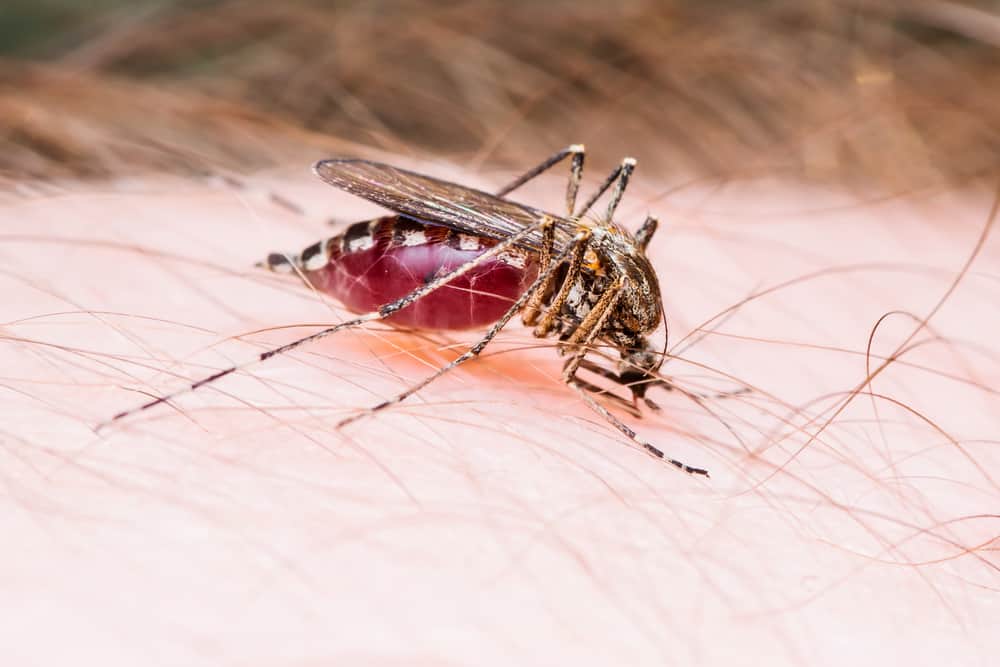
Mosquitoes’ Sense of Smell Appears to Be Stronger Than Their Sight
Researchers collected data from approximately 250 female mosquitoes (male mosquitoes do not feed on blood), tracking their behavior and recording in real time the mosquitoes’ brains during a series of experiments conducted in a cylindrical arena about 7 inches in diameter. The scientists were able to measure the mosquitoes’ wing movements (using a special type of optical sensor) in response to different odors and visual stimuli.
The mosquitoes also beat their wings faster in response to the visual cue of a bar moving horizontally across a screen around the arena. The mosquitoes tried to move in the direction of the moving bar. But increase in wing-beating speed was more pronounced when mosquitoes smelled the puff of CO2 before they saw the moving bar, compared with just seeing the bar move.
What’s in the Spray?
Depending on your property, a company may use larvicides — used to kill eggs, larvae and young mosquitoes — or adulticides — used to kill adult mosquitoes. In some cases, both are used. Common chemicals and compounds used include:
- Pyrethrins
These compounds have been approved for use and are considered “relatively” safe. They have also been proven to be effective. These compounds work by affecting the nervous system of mosquitoes, paralyzing the insects to kill them. The labels for these compounds indicate the compounds can be dangerous if they are inhaled and ask that birds, pets, and other animals be removed from the vicinity before spraying. Pyrethrins have been linked to skin irritation and respiratory irritation. In studies involving rats and dogs, even low doses administered over time affected the liver, thyroid and respiratory tissue of the animals. Pyrethrins have also shown to be very toxic to honey bees and fish — they have an environmental impact. - Bacillus thuringiensis (Bt)
Bt is a microbe used as a toxin in some insecticides. When insect larvae are sprayed with this insecticide, the toxins damage their gut and eventually cause death. There are different strains of Bt, and some are designed to be especially toxic to mosquitoes. Studies have suggested Bt can cause allergic reactions, and some strains have proven to be toxic to honey bees. - Permethrin
Used to treat 9 to 10 million acres each year in the United States, Permethrin is one of the most common mosquito control insecticides used. It is affordable and effective. However, it can cause skin irritation and at high doses can lead to dizziness, nausea and even coma. In addition to active ingredients, many pesticides contain other chemicals and substances to make the insecticides more effective. For example, one of the most common additions to many insecticide products is piperonyl butoxide, which prevents active ingredients from breaking down in the mosquitoes’ body and allows the insecticides to work. Unfortunately, while effective and considered safe by some, piperonyl butoxide has been labeled a group C carcinogen.
Mosquitoes and Blood Types
Do mosquitoes prefer one blood type over the others? As it turns out, yes. Scientists first landed on this discovery back in 1972. More recently, a Journal of Medical Entomology study further broke down certain species of mosquitoes’ preferences.
Which Blood Types Do Mosquitoes Prefer?
People with Type O blood are more than universal donors. They’re also “tastier” to mosquitoes. In fact, according to a study, certain species of the insect landed on the skin of people with Type O blood almost twice as often as they did on the skin of those with Type A. But what about your blood type draws mosquitoes to you? Well, people secrete certain chemicals through their skin. The chemicals you produce will depend on your DNA, which also determines your blood type. that some of these chemicals — like lactic acid — can attract more mosquitoes.
5 Ways to Combat Mosquitoes Naturally
- DRYNESS: The first, and possibly most obvious way to win the war on mosquitoes is by keeping it dry. As we mentioned, the rainy season is the most populous mosquito weather. That’s because the momma mosquitos lay their eggs in standing water. They dry out, then hatch once the water returns. So avoiding any areas of standing water on your property, from pet dishes, to birdbaths, to those bright blue tarps is essential to cutting down the mosquito population.
- SMOKE: There’s a reason torches are so popular for background get-togethers in Florida – and it’s not because of their more tropical look. Whether dipped in citronella or just generating an ashen atmosphere, smoke is a natural repellent for mosquitoes. Of course, some citronella is better than none, but even just placing a burning paper egg carton on the edge of your barbeque grill is a great way to keep the biters at bay.
Clothing
- LOOSE-FITTING Clothes: Believe it or not, just covering up with long sleeves is not enough. In fact, if your outfit is too tight, it might make you more appealing to hungry momma mosquitoes. Wearing clothing that is more loose fitting or even baggy not only makes it harder for mosquitoes to find your exposed skin, but it also keeps you cooler – and harder for the heat–driven insects to gravitate towards. We don’t, however, recommend wearing those pants that fall off your rear
- LIGHT COLORED Clothes: In the same vein, darker colors are more visible to mosquitoes and mark you as a more tasty treat to their insect eyes. Lighter, pale colors blend into the background in the biter’s sight. Darker colors can not only appear warmer to mosquitoes, but the contrast also makes you stand out more, potentially drawing them in.
- FAN: Believe it or not, a good stiff breeze – whether natural or generated by a good fan – also helps keep mosquitoes away. You might recall from your school biology class that we inhale oxygen and exhale carbon dioxide for plants. Mosquitoes are attracted to the carbon dioxide, which the wind from a decent fan disperses and dilutes. Plus, mosquitoes are weak fliers, so the breeze keeps them from getting close enough to bite you.