Tile Roofing Pros and Cons – Must Read before Buying a Tile Roof
When building a new house or improving an existing property, you may be torn between the many roofing options in the market today. Tile roofing is one of the most popular options you can consider. While it comes with a higher price tag, tile roofing has proven to be an incredible investment. As they say, you get what you invest in; tiles come with amazing benefits that make it ideal for homes and commercial properties. This piece takes a look at concrete roof tiles pros and cons to help you understand more about tile roofing
Long Term Performance
Tiles have been proven to provide the best and the longest track record in terms of durability and performance. Compared to other roofing options such as shingles, tiles are engineered to ensure the best ventilation, natural water shedding and the best resistance to wear and tear elements
An array of colours, designs, and styles
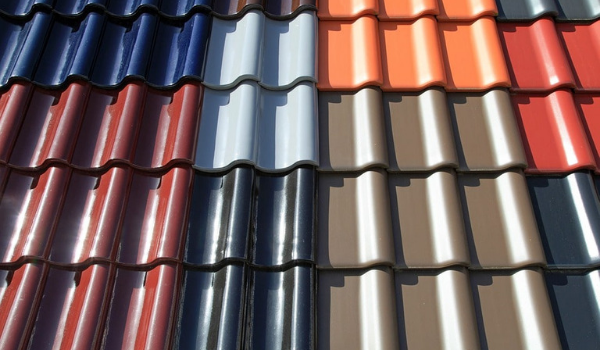
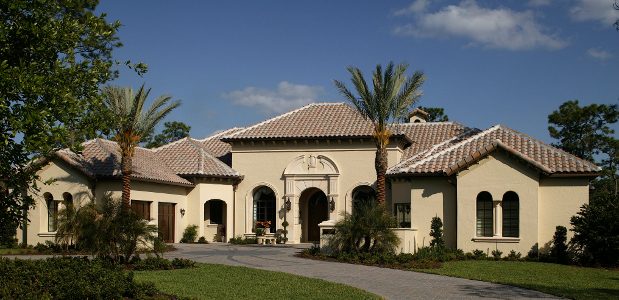
Tiles come in a wide array of colours, designs, and styles. You can choose ceramic tile roof, light shades, multi coloured or settle for a black tile roof based on your personal needs. As a matter of fact, modern concrete tile innovations allow you to explore the most unique roofing designs. From the Mediterranean, historic to contemporary styles, you can find a design that defines your flair.
Aesthetically Appealing
Tiles are aesthetically appealing. This is attributed to the natural sources of the mixtures and materials used when making tiles. Some of the best sources include clay and iron oxide. These are commonly used in making concrete tiles and they not only make them beautiful but also extremely durable
Quality Protection
Tiles are naturally heavy. This is why they last for long. However, with advancements in technology, you will find lightweight tiles in the market for re-roofing and new construction projects. Therefore, they provide long-lasting protection to your roof. Compared to other roofing materials, tile roof homes are a smart choice for their durability, protection, and ease of maintenance
Pros and Cons of Tile Roofing
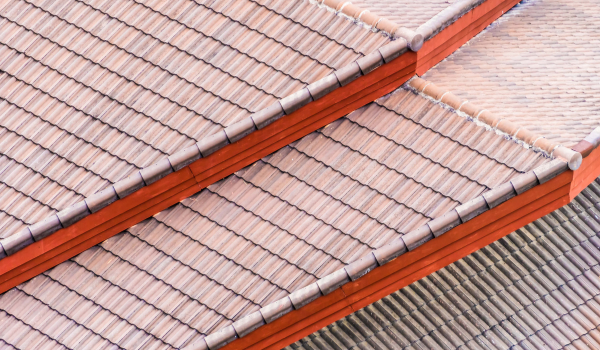
Tiled roofs are beautiful and durable. They are also expensive and heavy, but that is perhaps to be expected from a roofing material that can last 100 years. Traditionally, most roofing tiles were made from slate or a fired clay or terra cotta product, but today’s roofing titles are very often made from molded, tinted concrete. Roofing tiles can come in many shapes: curved, flat, fluted, or interlocking, and in many styles
Tile roofing is a great choice for roofs that experience hot weather or exposure to salt air. This is why you very often see tile roofs in the Southwest, coastal Florida, and California. They can also be ideal for climates in which infrequent rains dump large amounts of water in a short time, since many styles are excellent at shedding rainfall from cloudbursts. If you’re considering tile roofing for your home, be aware that these roofing systems are very heavy and can break under certain conditions. Roof framing needs to be very sturdy structurally in order to support the weight.
Spanish tiles are the classic Southwest roof, resembling rows of lapping waves with troughs between the rows to carry water away. They are best suited for regions where rains might be infrequent but very heavy when they do occur. Clay, terra cotta, and concrete tiles are all available in this style
Scandia tiles resemble Spanish tiles inverted so they are upside down. Visually, they give the appearance of sharp vertical ridges with wide scallop-shaped troughs. This style is common in architecture based on northern European styles.
Double Roman tiles resemble Spanish tiles, but the rows have distinct ribs that are quite visible. The water troughs are more frequent, though smaller. These tiles are often used in Mediterranean architecture. Often made of concrete, they are also available in clay and terra cotta

Tile Roofing
In some areas of the country, tile roofing is quite common. Its distinctive appearance can be seen sparsely in many regions, but in the Southwest, tile roofing is practically a part of the landscape, giving a unique and identifiable look to the area. Tile roofs are initially a lot more costly to install than asphalt shingle, metal, or wood shake roofs, but they also last much longer. Depending on the quality, a tile roof may last 50 to 70 years–or even more! When you compare that kind of longevity to the durability of some asphalt shingles (in some situations, only 10 or 15 years), it’s easy to see how an investment in tile can pay off in the long run.
Characteristics of Tile Roofing
Traditional clay tile roofs are very heavy, and sometimes require more structural reinforcement than other roofing materials. However, tile is now offered in new lightweight versions which can be used on most structures without additional reinforcement
Benefits of Tile Roofs
Aside from the obvious aesthetic appeal and incredibly long life expectancy of tile roofs, there are several other benefits of choosing this material over a less costly one. To start with, tile roofs perform better under harsh conditions than many other roofing materials. They resist damage caused by hurricanes, earthquakes, and other weather extremes better than most other options. Roof tile is also fireproof, and carries a class-A rating
Drawbacks of Tile Roofs
Obviously, the biggest drawback is its initial installation cost. When compared to asphalt shingles or even basic metal roofing, tile roofs can cost several times as much to put up. They are, however, similar in price to slate roofing–the only other kind of material that can hold up as long or surpass the life expectancy of tile. Additionally, tile roofs (and slate roofs, as well) are not only heavy, but brittle. Not only might they require added structural reinforcement to install, but when a problem does occur, they can be difficult to work on since the individual tiles can break under the weight of a worker
How to Walk on a Concrete Tile Roof Without Damaging It
Best Places to Step
Most concrete tiles are lifted a little off of your roof and sit on wood batten strips, creating a gap under the tiles for ventilation. When you walk on your roof, make sure you are walking on the reinforced part—the lower third of the visible tile.
Sure, concrete tiles are strong. But they’re not really made to be walked on. Every time you walk on the tiles, you put stress on them that can crack them or loosen them. And that can lead to missing tiles and leaks.
But sometimes you have no choice and you have to walk on the roof. In those cases, here are a few tips that minimize the chance of you breaking tiles
Reasons Homeowners Choose Tile Roofs
Tile roofs come in many styles, each with its own preferred applications and intrinsic beauty. But there’s more to them than what meets the eye: Learn about what else makes them so attractive to homeowners
Aesthetic Appeal and Versatility
Most often concrete and clay tiles often feature natural earth tones, a sand-cast or unglazed finish, and a classic curved shape, but their design isn’t limited to such Southwestern and Mediterranean hallmarks. In fact, their casting allows for many style options to suit almost any type of architecture
Durability
Clay, concrete, and slate roofs are impervious to fire and resist rot, insects, and other pests. Most tile roofing can withstand extremes of heat and cold, making it suitable for use in virtually any climate, and clay is particularly resistant to the corrosion of salt air, making it a great choice for homes situated in coastal regions near an ocean. Many types of roofing tiles also boast superior impact resistance, making this a good option for regions that experience hail or high winds
Long Lifespan
A roof constructed of concrete, clay, or slate may be the last roof you will ever need. Clay or slate tiles may last more than 100 years, while most concrete tile comes with a 50-year warranty. Slate is one of the most durable and long-lasting roofing materials, with a lifespan of 100 to 150 years or more
Savings in the Long Run
Tile roofs tend to be the most expensive upfront for both materials and labor; slate, for example, can range from $1,000 to $2,000 per square (a 10-foot-by-10-foot patch of roofing) installed and a roofing contractor who has experience working with the high-end material may also charge more. Over their long lifespan, however, concrete, clay, and slate tiles can offset their initial expense. Due to a high thermal mass, tiles do a better job of regulating the temperature of your home, thereby helping you cut down on heating and cooling bills. The durability and longevity of clay, concrete, and slate also mean that you save money by not replacing your roof multiple times over the decades. And, all of the materials used are environmentally friendly and can be easily recycled.