TOP TIPS FOR CHOOSING A WEDDING PHOTOGRAPHER
So, you have a dress, the suits, flowers, cake and a band….but what is the one thing that will remain an everlasting memory of your wedding day? Your photos should be a beautiful and timeless account of the most important day of your life and should help every bride and groom to re-live the romance and excitement allover again.
Image quality/style
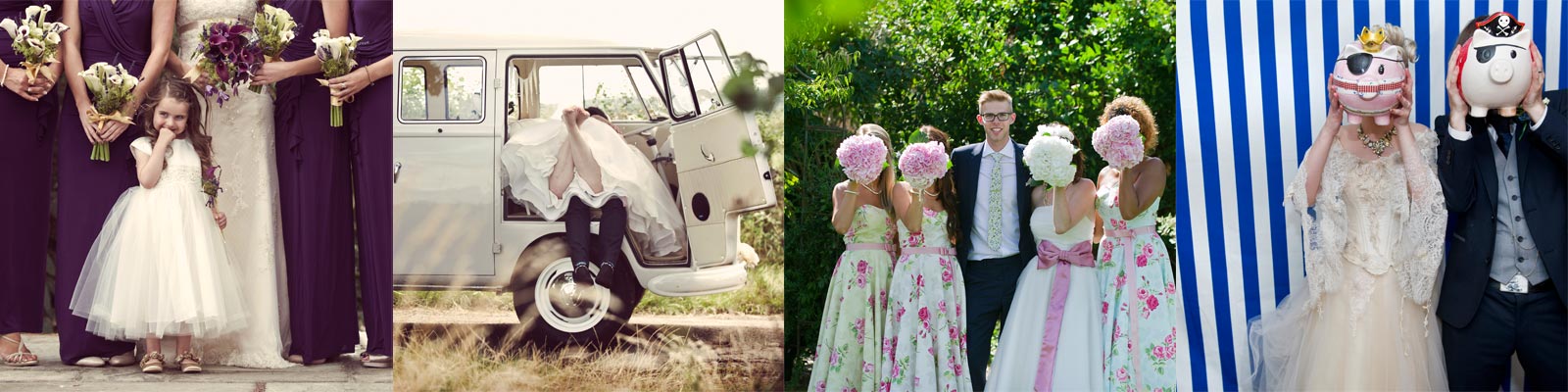
The quality of a photographer’s portfolio should be the first thing that captures your attention. A good photographer should be able to offer clients a variety of styles, capturing the personalities of the bride and groom and showcasing the happiness and fun of the day. Be clear on what style you would like and make sure the photographer can provide this in their portfolio.
Personality
As a bride and groom, you put a lot of trust and faith in your wedding photographer. In order to get the best images and a true account of the most important day of your life, it is imperative that you feel comfortable and relaxed in their presence.
Value for money/cost
This can often be a deciding factor for a lot of brides and grooms and although it is a vital element, it should not be the basis for your decision. High-end prices do not always guarantee the highest quality but likewise, reasonable pricing does not always depict low quality.
Experience
The experience a photographer has will play a large part in the organisation and structure of the day. I am sure many photographers will agree that they have often played the role of coordinator, photographer, master of ceremonies and children’s entertainer. Taking the photos is just a small part of being a wedding photographer and without the necessary experience and the ability to perform under constant pressure important moments can be easily missed.
Steps to Finding a Great Wedding Photographer
Unlike the work of your other wedding vendors (music, flower arrangements, cake), photographs aren’t things you can hear, smell, taste or even see at first—you don’t really know what you’re getting until after the fact. That means careful research and selectiveness regarding professional skills, artistic style and personal demeanor are extra important when choosing your photographer
Settle on a Style
Before you begin researching photographers, you’ll need to first decide what type of photography style you prefer, as that will help determine which kind of photographer you’ll want shooting your wedding. Get inspired! Spend time pouring over any kind of imagery you love, from décor shots to a fashion blogger’s Instagram feed. Once you have a good collection of inspiring photographs, try to narrow in on what draws you to them specifically and dissect what feels most authentic to you and your partner. Maybe that’s formal-posed portraits, a classic photography style or a lifestyle, photojournalistic feel. If you love sharp and contrast-y shots, perhaps a photographer with a flair for the dramatic is the right choice for you. Remember that you don’t necessarily need to narrow in on one style in particular, since many wedding photographers can do a blend of portraiture and documentary-style shots, a mix of black-and-white and color images and so on. But if there’s a special style you love, make sure to focus on photographers who specialize in it.
Do Your Homework
Start your search by reading reviews from recent newlyweds and browsing local listings, like the ones on The Knot Marketplace. Carefully review potential photographers’ websites and blogs to check out photos of other weddings they’ve shot, which will give you an idea of their style. How do they capture the moments important to you, like a mother bustling her daughter’s gown or an emotional first look? The design of the website may also have clues about the photographer’s personality and sensibility. Check out their Facebook, Instagram and Twitter pages too, if possible. Is the feedback from clients positive? How does the photographer respond? How do they interact with their Instagram followers, do they seem friendly and personable? You get the idea.
Set Up Interviews
This is not a decision that can be made on looks alone—you must meet your potential photographers in person. If you like what you see on their site—and their fees are in your ballpark range—call to see if they’re available for your wedding date. If available, go ahead and send an introductory email with a bit about you and your soon-to-be spouse, you event and the vision for your day, and feel free to attach five or so of your very favorite photos from your research so they know what you love. If the photographer is already booked on your date, you may want to see if they have an associate or can recommend another shooter with a similar style. Set up in-person meetings with three to five potential photographers who are available on your wedding date to look at more of their work and assess whether your personalities mesh. Be prepared to talk about your venue, wedding style and what you envision for your photos.
See a Few Full Wedding Albums
Don’t base your decision solely on what you see in a photographer’s highlights gallery or album. For good reason, photographers show prospective clients a portfolio of their best pictures, all from different weddings, so you’re seeing the best of the best. The problem with that is you won’t get a well-rounded idea of their work. Ask to see two or three full galleries from real weddings they’ve shot (not someone else at their company) so you can get a better idea of what your complete collection of photos might look like after the wedding. If you see that the full gallery photos are just about as good as the ones chosen in the highlight gallery (that is, they’re all so good it’s impossible to choose!), you’re on the right track. And ask to see at least one or two complete albums of weddings that are in similar settings to yours. For example, if you’re planning an indoor affair with dark lighting, don’t just look at weddings shot outdoors in natural sunlight. And if you’re planning to say “I do” on a beach at sunset, you’ll want to see examples of that.
Tips When Choosing Your Wedding Photographer
You’re engaged! Time to celebrate and then start talking wedding plans. If you are having a wedding there are a lot of little details to think about. Where do you start? Maybe you know you don’t want to have a large wedding and instead are planning an intimate destination elopement. Hopefully you’ll want to have a photographer to capture your elopement as well. No matter how large or small your wedding celebration is, hiring a professional photographer to capture all the love, emotion and in-between moments during your celebration will be well worth it to have images of your celebration to hold onto forever
Time to Research
Once you’ve set a date it might be time to start researching wedding photographers. Generally speaking photographers are booked 6 months to one year out. I know from experience narrowing down a photographer can be tough. There are so many creative, talented individuals in this industry and I had a huge list of potential photographers to choose from.
Where are They Cutting Corners
I don’t want to claim all inexpensive photographers are not good at what they do; everyone has to start somewhere and many do have a great eye but as you determine where you need to cut corners on wedding planning maybe those insanely cheap photographers are also cutting corners somewhere too. When you hire an experienced wedding photographer, you aren’t just paying someone to be a warm body to click the camera. You are paying for the experience. Their experience shooting weddings and THE overall experience from start to finish. Your wedding day is going to be filled with amazing moments, emotions and don’t forget those little imperfect moments too….. one of those imperfect moments should NOT be worrying about your wedding photographer
Have a clear idea of the STYLE you like. This will help you narrow down the selection of photographers. Are you attracted to more traditional photography, posed images and pretty smiles starting at the camera? Do you prefer a documentary feel where the photographer goes unnoticed with no posed images? Is a candid style that captures the big emotions and little details to tell the story of the entire day your preference? Are you looking for someone who is going to unnaturally pose each image, interrupting the natural moments from happening or someone who is going to go with the flow, capturing the dirt on your dress while you walk through a mountain field, quietly soaking in the beauty of day?
Get to know your photographer. Do your personalities mesh well? Your photographer is going to spend a greater chunk of the day with you…. make sure you can tolerate them and maybe even like them. ? Just because your family feels obligated to use the local photographer you have known since you were a child…. doesn’t mean you need to. I saw this happen once and said photographer ended up passed out drunk under a tree before the reception started. NO JOKE. It’s your wedding day. Pick someone who’s work you are drawn to. I love getting to know each of my clients better — doing this creates great rapport which is actually important when creating images filled with REAL emotion. When you look at a photo, I want you to feel something
Tips to Choose the Right Wedding Photographer for Your Day
Wedding day memories and scenes are too precocious to be missed. So you need to capture them and preserve them in order to reminisce about them for years to come. That’s why it’s important to have the right wedding photographer by your side to click some of the best photos of your wedding day
Start your search as early as possible
Top photographers are always in big demand. Their services have many takers and you should not expect them to be available during the wedding season. After all, experts have their hands full year-round as far as assignments are concerned. Some of them even get booked a year or so in advance and you need to understand that well.
Do a lot of research before finalizing one
When you do a lot of research into wedding photographers, you’re always likely to get good results. After all, there are different styles of wedding photography, different packages and costs to choose from. The more wedding photography website you visit, the better it will be for you in terms of finding the best man for the day.
Interview the photographer and check samples of the work
You should never hesitate to conduct an interview with the wedding photographer to be sure about their experience, expertise, and knowledge of the craft. It’s also important to prepare a list of questions beforehand so that you discuss in details everything you want to know from the photographer.
Ask about the equipment, style, cost, creativity, and art
A good wedding photographer is one who is passionate about the job he/she does. They will have unique styles and tones to capture events and create visual differences. Some use only the latest camera and equipment and also have a back-up in case of malfunction
Mistakes To Avoid Choosing A Wedding Photographer
Some brides make the mistake of selecting their wedding photographer without researching what they’re really getting for their money. “You get your negatives” sounds great, but when do you get them? The original price sounds great, but how much are extra prints? So often, brides buy a package knowing they don’t want everything in it, but they think they’re getting a deal because it’s all together. Nope, sorry, photography is not like buying a “value meal” at McDonald’s! To be sure, you must research before you decide. Visit as many studios as you can. As a courtesy, please call them first and set an appointment. If they’re friendly or if they call you back quickly, they’ll most likely have better standards of service. Ask if they have any information they can mail or email to you. Meet the photographer. Search through their website with a fine-toothed comb. Do you see any loopholes or issues? The biggest reason people make mistakes in hiring photographers is that they don’t have experience doing it! They’ve never had to hire photographers, and most likely their last experience with a professional photographer was a friend’s wedding, and the grumpy, sweaty, old guy was either a bore or an annoying jerk.
Find someone who cares more about your wedding images than they do about their own packages and policies. Someone you know will help your wedding run smoothly and efficiently. Choose someone that you can communicate with someone that truly understands how you want your wedding to feel. How do you know? When you talk to her, she’s more interested in learning about you than describing all of the print sizes and prices.
Is this someone that will add to the fun and emotion of your wedding? Remember your friend’s photographer, the grumpy, sweaty, old guy that was a boring, annoying jerk? Steer clear of that! Get someone that will make the work of posed pictures fun, memorable, and exciting! How can you tell who’s cool? When you talk to the photographer, ask how she feels about your family members taking pictures over her shoulder! If she stays relaxed, then everyone will have a good time.
Look for someone who has some flexibility in styles. See what they have to offer. Some of the styles you may want to consider are Traditional, Black & White, Candid, Romantic, or Photo-journalistic. Check to see how they handle both indoor and outdoor situations. Can they do fine portraiture as well as a truly candid style? Find out what they have for you. Remember that the photographer’s creativity and personality (and your rapport with him/her) is what makes your wedding images unique, and your expressions more genuine!
Find someone who has as few restrictions as possible regarding packages, number of prints, limiting locations, and limiting the amount of film they shoot. Prepaid, pre-designed packages limit the creativity of the photographer. Creativity does not come from a pre-packaged album containing, for example, 24- 8x10s. If you’re paying for an album, it should look and feel like a storybook! Think of it, not like a photo album, but an illustrated storybook that uses no words to tell the story. In most cases, packages are NOT a good thing because the photographer “knows” beforehand what he needs to shoot and will only strive for those images.