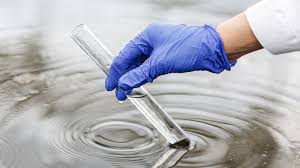
Make Sure The Quality Of Water Is Healthy And Right For Your Family

Water Testing Guide

Did you know that 80-85% of errors in testing are a result of user error?

These issues stem from improper sample handling and poor testing technique. Our 10 page guide goes over the key fundamentals to give your team the foundation they need for success. Topics include:

Proper sample collection

Preparing your sample for testing

7 key steps to effective testing

How to accurately test water and build a solid foundation for an effective water treatment program.

The first (and very crucial step) to accurately test water, is the collection of an accurate sample. This means having the proper sample size, but also making sure your sample is representative of your whole system. By ignoring this most basic of principles, your test results can be skewed from the beginning causing you to generate erroneous results. To accurately test water there are three keys needed for an effective program.

An issue in one area can cause issues for your entire testing program; however, proper testing begins with the operator.

Most of the time, when an error occurs, it is because of user error and improper water sample collection methods. Improper handling can consume certain chemicals or introduce contaminants which affect tests and your response to the result. An important key to a representative sample, is flushing the sample line before you take your sample. This will clear out impurities or chemical concentrations at the sample point. This is why proper training and carefully following water quality testing procedures are so important.

This industrial water testing guide will answer the question of how to collect an accurate water sample and also give you and your team several key tips for water testing to ensure you are getting accurate results and making good treatment decisions. This guide will help you master the fundamentals and understand water testing best practices, so you can build a solid foundation

Topics covered include:

How to collect an accurate water sample

Preparing your sample

Proper lighting

Clean equipment

Sample accuracy

Proper technique
 

Drinking Water Help Guides

Acetone in Drinking Water?

Acetone has a pungent to fruity odor and it tends to be clear and colorless. The “odor” threshold for acetone in air is when it is 13 to 20 ppm and water when the level is 20 ppm.  A concentrated fluid of acetone is highly volatile and flammable and acetone can be found in paints, lacquers, solvents, varnishes, cements/glues, and cleaners.  Acetone is highly water soluble and can leach readily into the groundwater.

In addition to anthropogenic sources, i.e., man-made,  acetone is created during the natural living and growing processes of plants and animals and levels of acetone are typically higher during a low carbohydrate diet, exercising vigorously, have poorly managed diabetes, or eating a high fat diet.

Absorption/Metabolism

Acetone is quickly absorbed by ingestion, inhalation, and dermal exposure. In two experiments with humans, inhalation absorption was in the 70 to 80 percent range. There is no data for the other routes. Absorbed acetone is almost entirely eliminated from the body within a day after exposure.

Short-Term (acute) Effects

Mild nervous system effects that abated soon after exposure ceased were seen in humans exposed to concentrations of acetone of 500 ppm in air and greater. Symptoms included irritation of the eyes and respiratory system, mood swings, and nausea. Accidental poisonings report similar nervous system effects of sluggishness and drowsiness that were not long lasting.

Only one animal study could be located, which investigated the effects of acetone exposure by ingestion. Rats were given drinking water containing acetone at a concentration of 25,000 ppm for 18 weeks. The only effect observed in the rats was weight loss, which may be attributed to decreased food consumption.


Water quality

Water quality refers to the chemical, physical, biological, and radiological characteristics of water. It is a measure of the condition of water relative to the requirements of one or more biotic species, or to any human need or purpose. It is most frequently used by reference to a set of standards against which compliance, generally achieved through treatment of the water, can be assessed. The most common standards used to assess water quality relate to health of ecosystems, safety of human contact, and drinking water. Water quality has a huge impact on water supply and oftentimes determines supply options

In the setting of standards, agencies make political and technical/scientific decisions based on how the water will be used.[4] In the case of natural water bodies, they also make some reasonable estimate of pristine conditions. Natural water bodies will vary in response to environmental conditions. Environmental scientists work to understand how these systems function, which in turn helps to identify the sources and fates of contaminants. Environmental lawyers and policymakers work to define legislation with the intention that water is maintained at an appropriate quality for its identified use.

The vast majority of surface water on the Earth is neither potable nor toxic. This remains true when seawater in the oceans (which is too salty to drink) is not counted. Another general perception of water quality is that of a simple property that tells whether water is polluted or not. In fact, water quality is a complex subject, in part because water is a complex medium intrinsically tied to the ecology of the Earth. Industrial and commercial activities (e.g. manufacturing, mining, construction, transport) are a major cause of water pollution as are runoff from agricultural areas, urban runoff and discharge of treated and untreated sewage.

Contaminants that may be in untreated water include microorganisms such as viruses, protozoa and bacteria; inorganic contaminants such as salts and metals; organic chemical contaminants from industrial processes and petroleum use; pesticides and herbicides; and radioactive contaminants. Water quality depends on the local geology and ecosystem, as well as human uses such as sewage dispersion, industrial pollution, use of water bodies as a heat sink, and overuse (which may lower the level of the water)

In urbanized areas around the world, water purification technology is used in municipal water systems to remove contaminants from the source water (surface water or groundwater) before it is distributed to homes, businesses, schools and other recipients. Water drawn directly from a stream, lake, or aquifer and that has no treatment will be of uncertain quality.

 

Water Quality Testing

It contains background information, lesson ideas, procedures, data collection and reporting forms, suggestions for interpreting the results and extension activities.

Parents, teachers, students and not-for-profit environmental educators are welcome to download the Water Quality Testing Manual free of charge. Please note that this program tests the environmental quality of water bodies, not the potability of drinking water.

Teachers in MWRA communities may borrow a Water Quality Testing Kit from MWRA. The kit contains equipment for testing temperature, pH, Dissolved Oxygen, Biochemical Oxygen Demand, Nitrates, Total Dissolved Solids and Salinity, Turbidity

In order to borrow a Water Quality Testing Kit, teachers must attend a full-day workshop. If you would like more information about the kit or the workshop


HEALTH AND ENVIRONMENTAL TESTING LABORATORY

This Guide is intended to summarize the State Health and Environmental Testing Laboratory’s ability to provide analytical support for the most recent EPA Safe Drinking Water Act (SDWA) requirements. The SDWA has undergone at least 8 major rule changes for analytical testing since its inception in 1975. Phase II and Phase V regulations increase the number of parameters monitored from 35 to 84 (including regulated and unregulated parameters) and significantly increase the technical complexity of the analytical procedures and instrumentation.

Currently the State of Maine HETL is not certified for Asbestos and Diquat. The State of Maine has been granted Waivers for Glyphosate, Dioxin, EDB, and DBCP. Other tests are available and may be listed in other testing guides: Private drinking water testing, Environmental, or special requests. Prices are the result of regulatory administrative procedures, either from individual price determination, or from the application of the approved regulated hourly rates.

The SEMI-VOLATILES ORGANIC SCREEN test uses a solid phase extraction technique to extract higher boiling compounds from the water sample. This is an EPA GC/MS method 525.2.Current analytes include: Hexachlorobenzene, Hexachlorocyclopentadiene, Benzo(a)pyrene, Di(2-ethylhexyl)adipate, Di(2-ethylhexyl)phthalate, Alachlor, Endrin, Lindane, Simazine, Aldrin, Heptachlor, Heptachlor Epoxide, Methoxychlor, Atrazine, and Dieldrin.

This test is performed according to Safe Drinking Water Act criteria for total TRIHALOMETHANES. Trihalomethanes result from chlorination of water.The four chlorination byproducts: chloroform, bromodichloromethane, chlorodibromomethane, and bromoform are tested by EPA method 524.2.

HERBICIDE SCREEN – A general screening method for the detection of the chlorinated acid herbicides (2,4-D) and residues of Dalapon , Dinoseb (DNBP), DICAMBA and PENTACHLOROPHENOL with EPA Method:   515.2

Facts About Tax Planning That Just Might Surprise You

What is tax planning? What are characteristics and types of it?

Tax Planning can be understood as the activity undertaken by the assessee to reduce the tax liability by making optimum use of all permissible allowances, deductions, concessions, exemptions, rebates, exclusions and so forth, available under the statute.

Types of Tax Planning

  1. Short-range and long-range Tax Planning: The tax planning which is made every year to arrive at specific or limited objectives, is called short-range tax planning. Conversely, long-range tax planning alludes to such practices undertaken by the assessee which are not paid off immediately.
  2. Permissive Tax Planning: Tax planning, wherein the planning is made as per expressed provision of the taxation laws is termed as permissive tax planning.
  3. Purposive Tax Planning: Purposive tax planning refers to the tax planning method which misleads the law. Under this type, there is no expressed provision of the statute.

Tax planning means intelligently applying tax provisions to manage an individual’s affairs, in order to avail the tax benefits based on the national priorities, in accordance with the interest of the general public and government.


Objectives of Tax Planning

  • Minimal Litigation: There is always friction between the collector and the payer of tax. In such a situation, it is important that the compliance regarding tax payment is followed and used properly so that friction is minimum.
  • Productivity: Among the most important objectives of tax planning is channelization of taxable income to various investment plans.
  • Reduction of Tax Liability: As a tax payer, you can save the maximum amount from payable tax amount by using a proper arrangement of your enterprise working as per the required laws.
  • Healthy Growth of Economy: The growth in an economy depends largely upon the growth of its citizens. Tax planning estimates generation of white money that is in free flow.
  • Economic Stability: Stability is supplemented when the tax planning behind a business is proper.


Ten Characteristics of Good Tax Planning

  • Some of the best tax plans originate with client generated ideas. Taxpayers who inform themselves about the basic tax laws and start brainstorming or passing ideas by their tax advisor typically end up with excellent tax results.
  • A tax advisor who is curious and asks questions about your information is likely a competent tax advisor. This is the same person who probably has been to your business and wants to know what you have planned for the upcoming year and can offer suggestions while discussing your circumstances.
  • Typically there is not one single tax saving strategy that reduces your taxes, but rather it is a combination of several techniques that produces good results. For example, wisely using accelerated depreciation methods while taking advantage of tax credits can produce a low tax burden in year #1 which also reduces estimated tax payments for year #2.
  • Many good tax results are from a tax advisor who explains why an area of the tax law is not clear cut and is able to offer the client options on how to proceed. There are circumstances where both the taxpayer and the IRS can be correct. Many times a good tax result is from taking a justifiable position, even though the IRS could assert tax law to the contrary.
  • Good tax planning does not waste tax deductions. There are circumstances when a taxpayer should not take a deduction in year #1 because the tax savings is not as great as it could be by saving the deduction for a later year. Some deductions are deferred by making elections while others are deferred by delaying expenditures.
  • Sometimes the focal point of a good tax plan is simply deferring paying the taxes. For example, there are circumstances where taxes are going to be due, but flexibility exists in timing the year they are due.
  • Good tax planning sometimes dictates paying some taxes now because paying now will be less expensive than paying in a latter year. This is especially true when a taxpayer is currently in a low bracket year. In these cases, the optimal tax strategy may be to recognize income earlier than what you originally planned or delaying an expenditure.
  • Sometimes losses, especially flow-through losses from partnerships and S corporations, are not deductible in the year incurred. Good tax planning can help determine the best year to deduct losses. A similar theory applies to capital loss carry forwards.
  • Tax planning should also consider how to reduce payroll and self-employment taxes.
  • Good tax planning always considers the non-tax aspects of the circumstances and merges tax laws with financial prudence.


Tax Planning Strategies

Any successful tax planning strategy centres around three themes; reducing income, increasing deductions and utilisation of the lower tax rates available.

Below are some of the more common strategies employed to assist in Tax Planning.

Making Deductible Superannuation Contributions

This can be done either by a salary sacrifice arrangement, (if an employee) or claimed as a tax deduction by a self-employed person. As your superannuation fund only pays 15% tax on the contribution you have effectively shifted a portion of your business profits into a lower taxed environment.

There are limits however on the amounts for which you can contribute and claim a deduction. In 2013/14 those under 59 years of age at 30 June can only contribute $25,000 and those over 59 can contribute $35,000. Exceeding these amounts could result in an additional tax being levied on the excess, so care needs to be taken.

Review and Write off any Bad Debts

As you are entitled to a deduction in the year your write off a bad debt, identifying bad debtors and writing them off is an easy, cost effective strategy and should be done on a regular basis.

However, in order to receive the deduction, there must be no prospect of recovering the outstanding debt and if it is later recovered, it must be included as assessable income.

Review Timing of your Invoices

Whilst it is always a good idea to prepare and send out interim invoices for work partially completed, care should be taken especially if an interim invoice is going to be raised close to 30 June and the work will be completed early July. In this scenario, it may be prudent from a tax perspective to invoice for the completed job in July, (and have the income assessed in the following financial year) rather than have a part of the income assessed in the current financial year.

Review your Inventory at Year End

Many businesses fail to review their inventory, in particular for either obsolete or damaged items. These items generally have significantly lower values than current or undamaged stock, yet they are still valued at their full value. By revaluing these items, you can create a further deduction for your business.

Small Business Concessions

For business with an aggregated turnover of less than $2 million, there are various concessions available relating to deductions you can claim, in particular:

Trading Stock Rules:  If the change in value of stock from the previous year is less than $5,000, there is no requirement to record this as income in the current financial year, providing an opportunity not to record an increase in stock values if it is less than $5,000.

Prepayments:  By prepaying expenses which are for the next twelve months now, (e.g. insurance, subscriptions, registration etc.) you can claim a tax deduction for the entire expense in the current financial.

These are just some of the more common tax planning strategies available. Any strategy undertaken should be done in consultation with your accountant to ensure that it fits with your overall goals and objectives.


Corporate Tax Planning

This is a way of lowering the liabilities on a registered company. One of the most used methods is by including the deductions on business transport, health insurance of employees, etc. With tax deductions and exemptions provided under the Income Tax Act, 1961, your enterprise can largely reduce its tax burden in a legal way.

Rising profits of an enterprise means higher liabilities of tax. In such a situation, it is important that they dedicate enough time on tax planning that reduces liabilities. With a tax plan, both direct tax and indirect tax is lessened at the time of inflation. Not just this.

Tax planning means a proper planning of:

  • Capital budget.
  • Sales and Marketing costs.

Social Underpinnings Of Residential Cleaning

House & Apartment Cleaning Cost Guide

Wouldn’t it be great to open your door and find a sparkling clean home inside? A reliable cleaning company can make that dream a reality. You can expect them to take care of all the things you don’t want to do, such as cleaning windows, mopping floors, and dusting shelves. The right cleaning company can take care of many tasks you hadn’t thought of. If you want to know how much it will cost to keep your home sparkling clean, keep reading this cost guide.

Average Costs

On average, the cost of a cleaning company will come in around $216, with most homeowners spending anywhere between $150 and $304. Cleaning companies usually charge by the hour or by square footage. Per hour costs can range between $64 and $116. This cost often includes multiple cleaners. The cost of cleaning by square footage will depend on the size of your house. For an area less than 1,000 square feet you can expect to pay around $115. For a 3,000 square foot home you can expect to pay closer to $323.

Before you hire, ask the company is they offer a first-time cleaning by square foot. This will allow the cleaners to better determine how long it will take to clean and if there are any special requirements for cleaning your home. For a typical single family home, this will cost you around $168. A typical single-family apartment will cost around $129.

How often you have the company come to clean will affect your cost. Depending on the frequency, you may be able to save some money, around $6 to $12 per cleaning. Ask the company if there are further discounts by paying for multiple cleanings upfront or by signing a contract for long-term service. This could end up saving you approximately $64 to $258 in the long run.

You can also hire a cleaning company for a one-time service. This is useful if you’re throwing a party (or cleaning up after one) or getting your home ready for viewings when selling. A one-time cleaning for a typical sized home can cost between $258 and $388.


How to Clean: Tips for Keeping Your Home Healthy

This includes preventing and mitigating bacteria, viruses, and other pests like moths, silverfish, and bedbugs that can do harm if left unchecked. And regular cleaning is even more crucial during the COVID-19 pandemic. SARS-CoV-2, the virus that causes COVID-19, can live on some surfaces in your home for days.

Luckily, it’s easy to get rid of the virus material from these surfaces with some basic disinfectants and cleaning procedures. Read on to learn about some common trouble spots around the house and solutions for keeping your living spaces safe and healthy.

How to clean a kitchen

Everyone gravitates to the kitchen. Part restaurant, part entertainment center, and part family room, it’s ground zero for the most troublesome spots in the home. Practically every surface is a magnet for bacteria, viruses, germs, insects, and other pests.

Here are some general tips for disinfecting your kitchen surfaces to prevent COVID-19:

Wash your hands with soap and water for 20 seconds before you touch anything, especially if you’ve been outside or at work.

Sanitize your hands with a 60 percent (or higher) alcohol sanitizer if soap and water aren’t immediately available.

Regularly wipe down all kitchen surfaces, including counters, tabletops, and any other surface you frequently touch, like stove or microwave buttons. Use an EPA-approved disinfectant if available.

Wash all dishes and silverware before and after you use them.

Sponges and dish towels

A sponge can carry mold and thousands of germs and foodborne pathogens if it’s not cleaned or stored properly.

Things you can do to kill germs on a sponge include:

placing the sponge in the dishwasher with a high temperature and the drying cycle on

wetting it and putting it in the microwave for 1–2 minutes

squeezing it out well after every use and keeping it in a place that allows it to air dry


Easy house-cleaning strategies

Spring is here, but you’ve got better things to do than clean. With smart planning, a few easy-to-establish habits, and the 10 tips below, you can make cleaning less of a hassle. The advice below is from How to Clean Practically Anything (Consumer Reports Special Publications, 2002)

Divide and conquer. As with any daunting task, housecleaning is easier if you break it into smaller parts. Doing a chore or two a day is easier than letting tasks accumulate and become overwhelming. Cleaning regularly gets rid of dirt before you have to scrub it, saving you elbow grease and the things you

Conquer housework’s drudgery with our easy-to-follow tips clean unnecessary wear and tear. Regularly brushing Fluffy and Fido may cut back on the amount of pet hair around the home. There are also a number of easy–and often free–things you can do to improve the air quality inside your home

Devise a schedule. Many people find that a schedule lets them take control over housework, rather than the other way around. Start by making a list of cleaning tasks in your home. Then note how often each chore needs to be done–daily, weekly, monthly, or seasonally. Devise a schedule that spaces your daily chores evenly over the course of a week and your weekly chores evenly over the course of a month. Happily, few chores need to be done on a daily basis.

If it’s not dirty . . .  You don’t have to clean things that aren’t dirty–sometimes a touch-up is all that’s necessary. If there is a handprint on an otherwise perfectly clean mirror, don’t clean the whole mirror; just attack the print itself. You don’t have to dry-clean a suit that only needs to be aired, brushed, or pressed. Surfaces that you or your visitors can’t see–like the top of a cabinet–don’t need to be cleaned regularly. Put some paper down, and when it gets dirty, pick the paper up and throw it out.


How COVID-19 Has Changed The Residential Cleaning Business

Cleanliness is on everyone’s minds these days, particularly as so many of us are working from home, learning from home, or quarantined at home as COVID-19, the disease caused by the coronavirus, continues to wend its way through the U.S.

“We should be able to weather the storm,” he told Webster, “primarily because we weathered those actual storms many years ago.” With a nod toward the current economic crisis, he said there are at least some lessons that can be gleaned from the Great Recession of a decade ago — namely that house cleaning is less luxury than some might think.

The COVID-19 Impact

Now, as the virus has shaken daily life, said there have been some jolts. “Like every business, it’s having a significant impact every day — and it’s a new battle for us,” he said.

Those suspensions have been spurred by clients worried about potential, general health risks. noted that his company has a number of proactive policies in place to guard against those health risks, such as not cleaning locations where there have been any viral-related health concerns (such as the flu). Staffers disinfect their cleaning kits regularly and are beefing up the use of protective gear, such as goggles.

Revenue Tug Of War

Asked by Webster about the current business environment, noted that the company is adding customers as well (even as there have been suspensions), indicating that there is a bit of a tug of war going on within the company’s business model.


How to clean and disinfect

COVID-19 spreads through respiratory droplets produced when an infected person coughs or sneezes. A person can acquire the virus by touching a surface or object that has the virus on it and then touching their own mouth, nose or eyes.

A key way you can protect workers and others from the risk of exposure to COVID-19 is by implementing appropriate cleaning and disinfecting measures for your workplace

A combination of cleaning and disinfection will be most effective in removing the COVID-19 virus. Workplaces must be cleaned at least daily. Cleaning with detergent and water is usually sufficient.  Once clean, surfaces can be disinfected. When and how often your workplace should be disinfected will depend on the likelihood of contaminated material being present. You should prioritise cleaning and disinfecting surfaces that many people touch.

How to clean and disinfect

Cleaning means to physically remove germs (bacteria and viruses), dirt and grime from surfaces using a detergent and water solution. A detergent is a surfactant that is designed to break up oil and grease with the use of water. Anything labelled as a detergent will work.

Disinfecting means using chemicals to kill germs on surfaces. It’s important to clean before disinfecting because dirt and grime can reduce the ability of disinfectants to kill germs. The following disinfectants are suitable for use on hard surfaces (that is, surfaces where any spilt liquid pools, and does not soak in): alcohol in a concentration of at least 70%, chlorine bleach in a concentration of 1000 parts per million, oxygen bleach, or wipes and sprays that contain quaternary ammonium compounds. These chemicals will be labelled as ‘disinfectant’ on the packaging and must be diluted or used following the instructions on the packaging to be effective.

Cleaning should start with the cleanest surface first, progressively moving towards the dirtiest surface. When surfaces are cleaned, they should be left as dry as possible to reduce the risk of slips and falls, as well as spreading of viruses and bacteria through droplets.

What Are The Components Of A Pain Management Agreement

Pain Management: Types of Pain

Pain is a general term that describes any kind of unpleasant or uncomfortable sensation in the body.

There are many different types and causes of pain, and these can be grouped into eight different categories to help with pain management:

  • Acute pain
  • Chronic pain
  • Breakthrough pain
  • Bone pain
  • Nerve pain
  • Phantom pain
  • Soft tissue pain
  • Referred pain.

Acute pain

This starts suddenly and only lasts for a short period (ie, minutes, hours, a couple of days, occasionally a month or two).

It is usually caused by a specific event or injury, such as:

  • A broken bone
  • A car crash or other type of accident
  • A fall
  • Burns or cuts
  • Dental work
  • Labor and childbirth

Chronic Pain

Chronic pain is pain that has persisted for longer than six months and is experienced most days. It may have originally started as acute pain, but the pain has continued long after the original injury or event has healed or resolved. Chronic pain can range from mild to severe and is associated with conditions such as:

  • Arthritis
  • Back pain
  • Cancer
  • Circulation problems
  • Diabetes
  • Fibromyalgia

Chronic pain can severely affect a person’s quality of life and prevent them from returning to work or participating in physical activity. In some people, it may lead to depression or social isolation.

Breakthrough Pain

Breakthrough pain is a sudden, short, sharp increase in pain that occurs in people who are already taking medications to relieve chronic pain caused by conditions such as arthritis, cancer, or fibromyalgia.

Breakthrough pain may also be called a pain flare and it may occur with exercise or physical activity, coughing, illness, stress, or during the period between pain medication doses. The pain level is often severe, but the location of the pain is usually the same as the person’s chronic pain.

Bone Pain

This is a tenderness, aching or discomfort in one or more bones that is present during both exercise and rest.

Bone pain is commonly associated with conditions or diseases that affect the structure or function of bone, such as cancer, a fracture (broken bone), infection, leukemia, mineral deficiency, sickle cell anemia, or osteoporosis. Many pregnant women experience pelvic girdle pain.

Nerve Pain

Nerve pain is caused by nerve damage or inflammation. It is usually described as a sharp, shooting, burning or stabbing pain and may also be called neuralgia or neuropathic pain. Some people describe it as being like an electric shock and it is often worse at night.

Nerve pain can severely interfere with a person’s life and affect their sleep, work, and physical activity levels. They are often very sensitive to cold and may experience pain with even the slightest touch. Many people with chronic nerve pain also develop anxiety or depression.

People with neuropathic pain are often very sensitive to touch or cold and can experience pain as a result of stimuli that would not normally be painful, such as brushing the skin.

Common causes of nerve pain include:

  • Alcoholism
  • An injury to the brain, a nerve, or the spinal cord
  • Cancer
  • Circulation problems
  • Diabetes
  • Herpes zoster (shingles)
  • Limb amputation
  • Multiple sclerosis
  • Stroke
  • Vitamin B12 deficiency.

Phantom Pain

Phantom pain is pain that feels like it is coming from a body part that is no longer there. It is common in people who have had a limb amputated, but is different from phantom limb sensation, which is usually painless.

Historically, Doctors believed phantom pain was a psychological problem but they now realize these are real pain sensations that originate in the spinal cord and brain. It often gets better with time, but managing phantom pain can be challenging in some people.

Soft Tissue Pain

This is pain or discomfort that results from damage or inflammation of the muscles, tissues, or ligaments. It may be associated with swelling or bruising and common causes include:

  • Back or neck pain
  • Bursitis
  • Fibromyalgia
  • Rotator cuff injury
  • Sciatic pain
  • Sports injuries, such as sprains or strains
  • Temporomandibular joint (TMJ) syndrome.

Referred pain

This is pain that feels like it is coming from one particular location, but is the result of an injury or inflammation in another structure or organ. For example, during a heart attack, pain is often felt in the neck, left shoulder, and down the right arm. An injury or inflammation of the pancreas is often felt as constant pain in the upper stomach area that radiates to the back. A ruptured spleen can cause pain in the shoulder blade.


Manual and physical therapies

Massage

Before you begin massage therapy you will typically talk to the therapist about which areas of your body are painful and what you feel comfortable with. During massage the therapist will use varied pressure on specific areas of your body to help your muscles to relax, providing relief from pain and stress.

Sometimes massage can feel a bit uncomfortable, particularly if your muscles are very tight. If you are worried, talk to your massage therapist. They will be able to reassure you and make the experience as comfortable as possible for you.

Pros

  • Can help to relieve pain
  • Provides relaxation/reduces stress
  • Tailored to your individual needs

Cons

  • Can be uncomfortable
  • May not be offered readily through your doctor
  • Must attend a therapist’s office (need transport)

Physiotherapy

You might have heard physiotherapy referred to as physical therapy. A physiotherapist will work with you to build up your range of movement. They will teach you how to strengthen your body in a way that prevents pain flares. Typically, physiotherapists will carry out passive treatments, meaning treatments in which they do the work. These might involve them manipulating and moving your body to strengthen it and target specific muscle groups.

You will also engage in active treatments, meaning you take an active role while being guided by your physiotherapist. These are often specific strengthening and flexibility exercises. You will usually be given exercises to practice at home, to continue building and maintaining strength.

Pros

  • Reduces pain
  • Increases range of movement
  • Strengthens body
  • Tackles fear avoidance
  • Increases confidence
  • Has long term results
  • Increases level of functioning
  • Reasonably easy to access
  • Active treatments can be carried out using an online pain therapy program

Cons

  • Requires effort and dedication
  • Can be uncomfortable at times
  • Could cause flares during the learning period


Ideas to treat acute pain before it becomes chronic

Treatments for chronic and acute pain will differ depending on the underlying cause(s) of the pain. Furthermore, certain pain treatments will work for some people, but not for others. It is very important to be aware of the level of pain you are feeling and discuss this with your doctor. You may need to try different pain management techniques before finding one (or more) that work the best for you.

Here are some ways, including complementary and homeopathic techniques, to treat acute pain so it doesn’t become chronic:

1 nerve blockers: Local anesthetics can be used to block the group of nerves associated with pain.

2 non-prescription, non-habit forming drug treatments: Some examples include Aleve, Tylenol, or Motrin.

3 physical therapy: Some examples of passive physical therapy include hot packs, cold packs, TENS units, and ultrasound. Some examples of active physical therapy include stretching, pain relief exercises, strengthening exercises, and low impact aerobic conditioning.

4 psychological counseling: Some examples include talk therapy, relaxation training, stress management, and pain coping skills training.

5 behavior modification techniques: One example of this is cognitive behavioral therapy.

6 transcutaneous electrical nerve stimulation (TENS): Developed in the late 1960s, this technique uses electricity to help alleviate pain. The low electrical impulses block certain pain receptors so that the brain does not receive the messages that you are in pain. A session is typically 15 minutes, but may require multiple sessions for successful pain relief.

7 alternative pain management treatments: Some examples may include relaxation, acupuncture, hypnosis, and biofeedback.


Pain Management Treatments Worth Trying

This is why so many people are eager to find a pain management treatment that is successful for them. Chronic pain affects everyone differently, but most of the following therapies have proven effective for a wide population of people, so they may provide at least some pain relief for you. Before you start any new pain management treatment, consult your physician to avoid any health risks.

  • Physical exercise—chronic pain has the unfortunate effect of immobilizing you. If you are suffering from lower back pain or a migraine, one of the last things you want to do is expend energy running or biking. However, exercise provides many benefits. In the short term, physical activity produces endorphins, natural pain killers that relieve pain and boost mood. It also helps you sleep more easily and restfully. Over the long time, exercise also helps relax tense muscles that may produce secondary pain symptoms. Many fitness programs that emphasize movement or stretching also specifically mitigate certain pain conditions like arthritis or fibromyalgia. Discuss with your doctor any exercise program prior to starting it to prevent additional injury.
  • Physical therapy—although physical therapy may include exercises, there are some key differences. First of all, you will be under the supervision of a medical professional so there should be less risk of injury. Their expertise should also help you focus on specific pain management treatments that are most likely to reduce pain. Secondly, a physical therapist can also offer access to treatments unavailable to the general public like acupressure, ultrasound or transcutaneous electrical nerve stimulation (TENS).  Finally, scheduled physical therapy sessions means that you are more likely to adhere to a rehabilitation program that produces benefits.
  • Therapeutic massage—many people think that a massage is merely a relaxing indulgence, but a massage administered by a qualified medical professional can produce significant pain relief. One of the types of massage that is gaining more support in the medical community is acupressure which applies gentle rubbing or pressure to key points on the body. Not only does this relax muscles and promote the production of endorphins, but it also helps increase circulation, allowing more oxygen and nutrients to reach damaged tissue. Ultimately, enhanced circulation accelerates the healing process. More than one session is usually required to achieve optimal benefits.
  • Mindful meditation—one of the most insidious effects of chronic pain is how it re-wires the brain. Studies show that chronic pain sufferers can lose up to 11 percent of their gray matter, primarily in the prefrontal cortex. This region regulates emotions, and this loss of regulation allows anxiety and fear to predominate thought processes. Stress and fear act to intensify pain feelings. Mindful meditation helps minimize this secondary processing of pain symptoms. Long time practitioners of mindfulness can virtually neutralize pain symptoms entirely.
  • Pain relief medications—almost everyone who encounters pain wants immediate relief which most people equate with medications. Intense pain may compel you to ask your doctor for more potent drugs like opioids, but new research suggests this may not help as much as you think. Not only do opioids make some people more sensitive to pain, but they also interfere with sleep which also amplifies pain symptoms.  More physicians are recommending that chronic pain patients take over-the-counter medications like acetaminophen or ibuprofen which have been shown to be as potent for some patients as opioids.


Ways to treat pain if it becomes chronic

If acute pain becomes chronic, your doctor will need to overcome some unique challenges.

It is very important to communicate your pain and symptoms with your doctor. Prospira PainCare treat chronic pain by using a multidisciplinary approach.

Your treatment plan can include any of the following techniques:

  • physical therapy
  • chiropractic care
  • pain medications (non-addictive)
  • injections
  • surgery as a last resort

Recent Posts